

The NFL has spent more than two decades running its own media operation, NFL Network. It has always been a curious setup. A league paying people to cover the league, all while pretending it is not a conflict of interest, as written by Mike Florio of Pro Football Talk.
Videos by FanBuzz
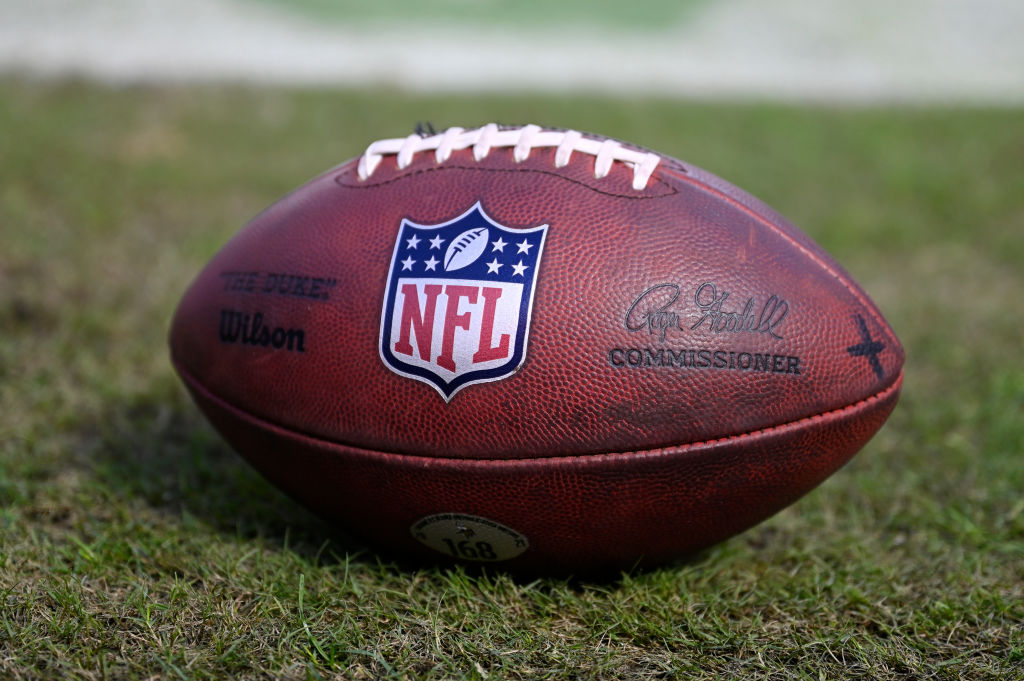
Getty Images
Plenty of people in the business have pointed that out. Some of them have done it loudly. Others quietly. Many not at all.
Back in 2021, longtime NFL reporter Michael Silver, once with NFL Network, explained why. Speaking to the Ray Rice scandal of 2014, Silver drew a blunt analogy that's tough to ignore.
"Imagine you work for Procter & Gamble and you're going on Procter & Gamble Live from Procter & Gamble Studios and talking about a scandal that could take down the entire operation," Silver said, as quoted by Florio. "It would be a little awkward."
He didn't stop there.
"If someone came to me and said, 'I've got an exposé on player safety and how the NFL is covering up concussions,' my response would have been, 'I'm not your guy on this.'"
Now, with the league set to take a 10 percent ownership stake in ESPN, Florio raises a fair question. Will the same dynamic apply to how ESPN reports on the league? Or maybe the better question is whether it already does.
Former ESPN host Dan Patrick said Wednesday that the line was crossed a long time ago. Speaking via Brendon Kleen of AwfulAnnouncing.com, Patrick said the network's coverage of the NFL has already leaned more toward access than accountability.
"The journalist in me would point out the conflict of interest," Patrick said. "But ESPN can't be any further in bed with the NFL when it comes to their coverage. Are they going to look the other way with whatever negative story comes up? They've probably already done that."
Not surprisingly, ESPN's Don Van Natta Jr. pushed back. He pointed to recent work by him and Kalyn Kahler involving scandals inside the NFL Players Association.
Florio makes it clear that's not the same thing. There's a major difference between going after the NFLPA and taking a hard swing at the league itself.
Whether you work for the NFL, ESPN, or any outlet that relies on access to NFL decision-makers, there is always pressure to stay in bounds. And that pressure does not come with a written memo. It comes in silence. It comes in favors granted or taken away. It comes in phone calls that never make the papers.
Florio points to his own reporting on the hidden ruling in the collusion case involving NFL teams. He and Pablo Torre broke down the 61-page document that showed the league not only encouraged teams to collude, but that evidence pointed to teams actually doing so. Hardly anyone else touched it.
"Everyone else plunged their heads into the NFL's bath water," Florio wrote.
That was before the NFL had any ownership stake in ESPN.
Once the deal closes, the league will have real skin in the game. Ten percent may not sound like much. But it is enough. It will be a factor when decisions are made about what gets covered, how it gets covered, and whether someone making waves needs to be reined in.
As Florio notes, the NFL has always had leverage over its media partners. In most industries, the customer is always right. In the NFL's case, the seller has always been right. Now, the NFL will be both.
That is where things get sticky.
Reporters like Van Natta and Kahler have carved out a space for tough reporting inside a media structure that is closely aligned with the league. If the NFL decides it doesn't like what they're writing, it may not take long for calls to be placed. Not just to reporters. But to editors. To executives. To the people who sign the checks.
And if the wrong people get upset, it won't take long before someone gets moved off a story. Or out the door entirely.
That's the part no one likes to talk about. But it is real.
And it is coming.
