
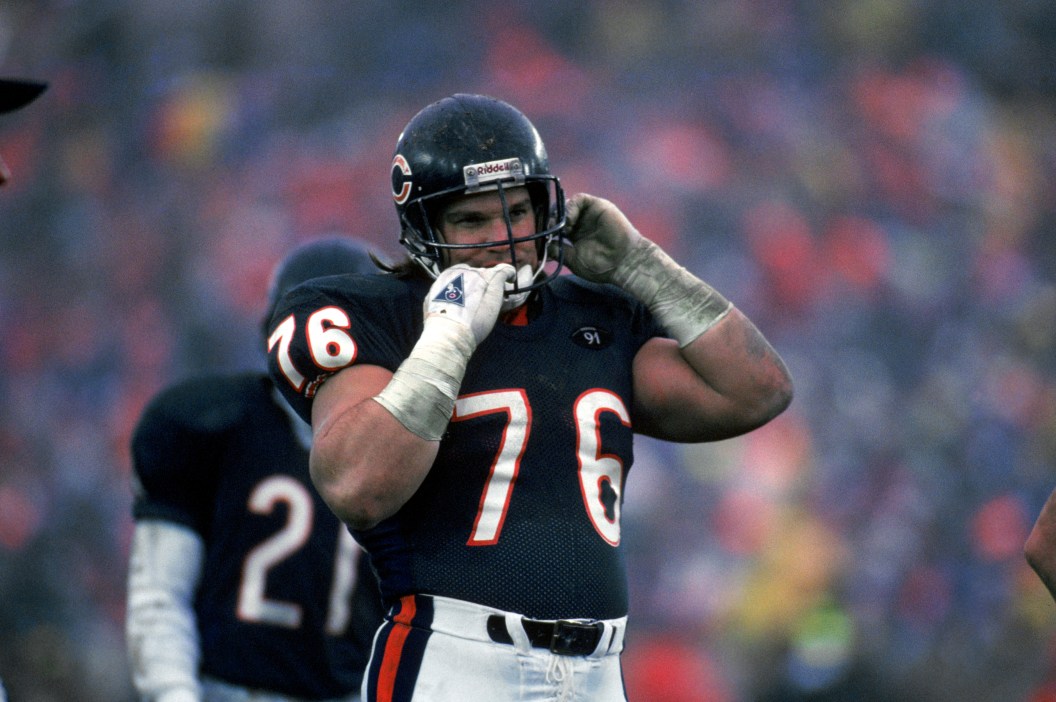
Hall of Famer Steve McMichael was known for toughness, for playing through anything, and for being one of the faces of that ferocious Chicago Bears defense.
Videos by FanBuzz
Now comes a sobering reality tied to it all.
McMichael, who died last year at age 67 following a five-year battle with ALS, has been diagnosed posthumously with CTE, according to the Concussion & CTE Foundation.
It's the kind of news that doesn't just hit — it lingers.
"Too many NFL players are developing ALS during life and diagnosed with CTE after death," his wife, Misty McMichael, said in a statement. "I donated Steve's brain to inspire new research into the link between them."
CTE, a degenerative brain disease tied to repeated head trauma, can only be diagnosed after death. It's been linked to mood swings, impulsive behavior, depression. In other words, the kind of invisible toll that often shows up long after the final whistle.
Research continues to raise difficult questions. A 2021 study from Harvard Medical School and the Boston University CTE Center found NFL players are more than four times as likely to develop ALS as other men. According to Dr. Ann McKee, about 6 percent of those with CTE in the brain bank also had ALS.
"There is strong evidence linking repetitive brain trauma and ALS," McKee said.
McMichael's career was as rugged as they come. A two-time All-Pro and Pro Football Hall of Famer, he played in a franchise-record 191 straight games from 1981-93 and ranks second in Bears history with 92.5 sacks, trailing only Richard Dent. He later spent a season with the Green Bay Packers and even had a run in professional wrestling.
According to foundation co-founder Chris Nowinski, McMichael followed the research closely after his ALS diagnosis in 2021 and chose to donate his brain to help move it forward.
"Steve McMichael was known for his strength, toughness, and larger-than-life presence," Nowinski said, "but his final act was to give a piece of himself back to the sports community so that we might have a chance to save ourselves."
