
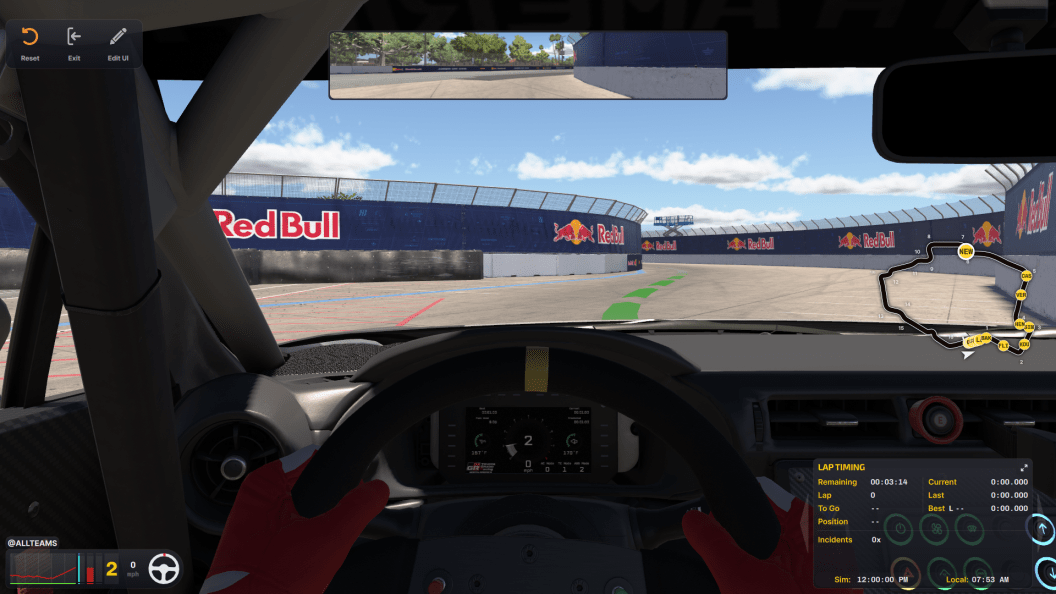
As Anthony Alfredo navigated around iRacing's version of the San Diego street course on Naval Base Coronado, he primarily focused on delivering a clean lap. But one particular turn in the 3.4-mile course caused him to break concentration.
Videos by FanBuzz
"It's like going over jumps leaving (Turn) 5," he said into his microphone on Tuesday night. "So crazy."
This comment came during a one-on-one iRacing session in which Alfredo took FanBuzz turn by turn through the course. He hosted an online session so that he could point out areas to make passes, as well as dangerous spots to avoid.
Your first look at the @Qualcomm Circuit at Naval Base Coronado!
Arriving today on @iRacing. 👀 pic.twitter.com/HKF24gonGw
— NASCAR (@NASCAR) June 9, 2026
Turn 5, a sweeping left-hander, appears relatively straightforward when looking at the track map. Yet, this turn has some character. Alfredo explained that the road is crowned for drainage purposes, so drivers are off-camber while trying to navigate the turn at high speeds.
This is a challenge that the drivers faced before when they raced three times on the streets of Chicago. They had to approach those off-camber turns correctly to avoid being knocked out of the preferred line and closer toward the immovable walls.
"They've worked on a couple patches like the railroad tracks and stuff like that," Ryan Blaney said ahead of the race weekend.
"They said they would pave it some to help it out, but it's gonna be bumpy and it's gonna be tight. It's gonna be a lot like Chicago. Chicago was narrow, bumpy, things like that."
Alfredo is intimately familiar with this course, the different braking zones, the areas where width is a major concern, and the areas where he and other drivers can attempt passes.
He has prepped extensively for the inaugural San Diego race so that he can deliver a solid result for Viking Motorsports on Saturday, June 20. He has also spent significant time running laps for Hendrick Motorsports while serving as the team's simulator driver.
And while FanBuzz has never used an OEM simulator, Alfredo could still host this show and tell session. Both users had the same Logitech wheel and pedal setup, and they used the same iRacing scan of the road course.
They felt the same bumps in the same spots while driving identical O'Reilly Auto Parts Series cars. Alfredo, a professional race car driver, just navigated them better while posting significantly faster lap times.
"While doing a lot of manufacturer sim work for Chevrolet and Hendrick Motorsports, I pick up a lot of the same cues in the steering at a track like Naval Base Coronado," Alfredo explained after the iRacing session. "Even the Logitech pedals can be optimized with their adjustable springs or bushings to give me the right feel.
"Ultimately the programs and level of immersion might be slightly different, but you can still get an appreciation for the track surface, car balance, and of course, the visual cues on iRacing with Logitech G sim racing equipment."
Other Areas of Concern
Turn 5 is far from the only spot featuring a bump or imperfection in the road. After all, this is an active military base on which hundreds of thousands of vehicles travel each year. It's not a smooth racing surface.
"We welded over 150 — between valves, manhole covers, electrical boxes, there's some compressed air boxes, all sorts of stuff that come with a military base," Jeremy Casperson, NASCAR Senior Director of Design and Development, told media members on Tuesday.
"And we didn't really remove anything, but we added some pavement for the chicane, and we added some pavement in the Turn 4 area. We had some real big undulation down by the crane rails. We smoothed it out really the best we could. It's not smooth, but it's a heck of a lot better than it was."
The straight between Turns 2 and 3 showcases some of the track imperfections. It has a sizable dip as drivers approach their braking point. This is a spot in which their cars, as drivers say, get light.
If they try to brake at the same time the car hits the dip, they could encounter some problems. Their cars may not slow as expected. If they are too close to another in line, they could cause a crash.
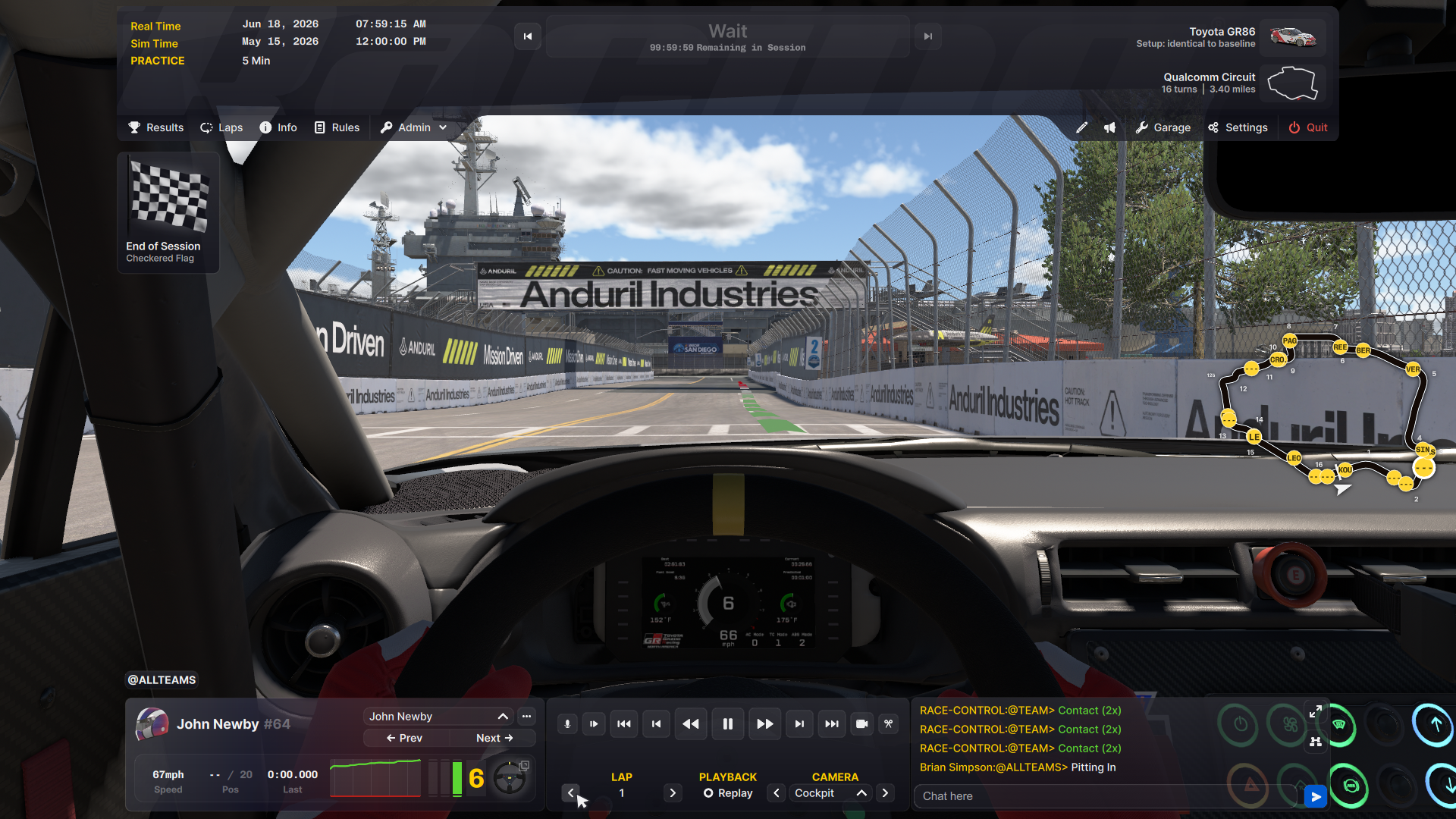
Turn 16, the final turn before drivers cross the finish line, features possibly the most concerning bump of all. This left-hander has a bump right in the middle that throws cars to the right and the wall separating the track from pit road.
If the drivers hit this bump at the wrong speed, they could lose control and make significant contact with the wall. They will have to balance their aggressiveness with self-preservation while fighting to close out every lap in practice, qualifying, and the race.
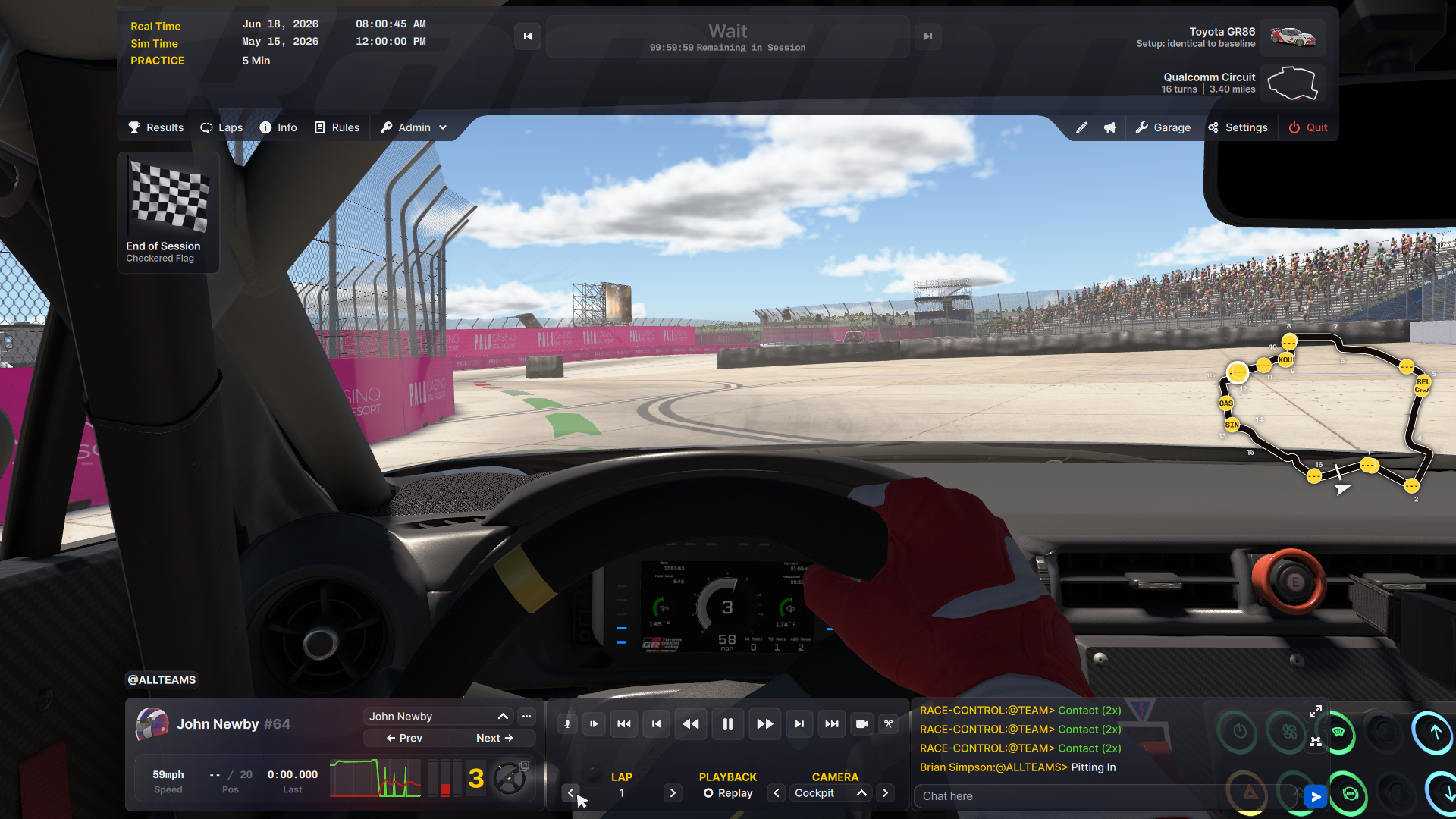
One other specific point of concern is the tire pack placement. NASCAR put one tire pack in the switchback leading into Turn 12. This prevents drivers from going straight through the section, but it also presents a hazard. The tire pack is at the exit of a blind turn, so they will have precious little time to react and avoid a collision.
Alfredo says that this particular tire pack makes the switchback too narrow for passing opportunities, but that could change. NASCAR officials noted before the weekend that they will adjust tire pack placement if needed throughout the weekend.
Passing Opportunities in San Diego
While the tire pack in the switchback presents another challenge for the drivers, the tire packs in the chicane present more favorable opportunities.
These two tire packs break up the straight between Turns 15 and 16. They serve as one of two final passing opportunities before crossing the start-finish line. If a driver runs wide entering the chicane, another driver can pass while navigating closer to the two tire packs.
And while the overall course is brand new to the drivers, the chicane will create a sense of deja vu. Alfredo noted that the layout is just like the bus stops at Watkins Glen International and Daytona International Speedway.
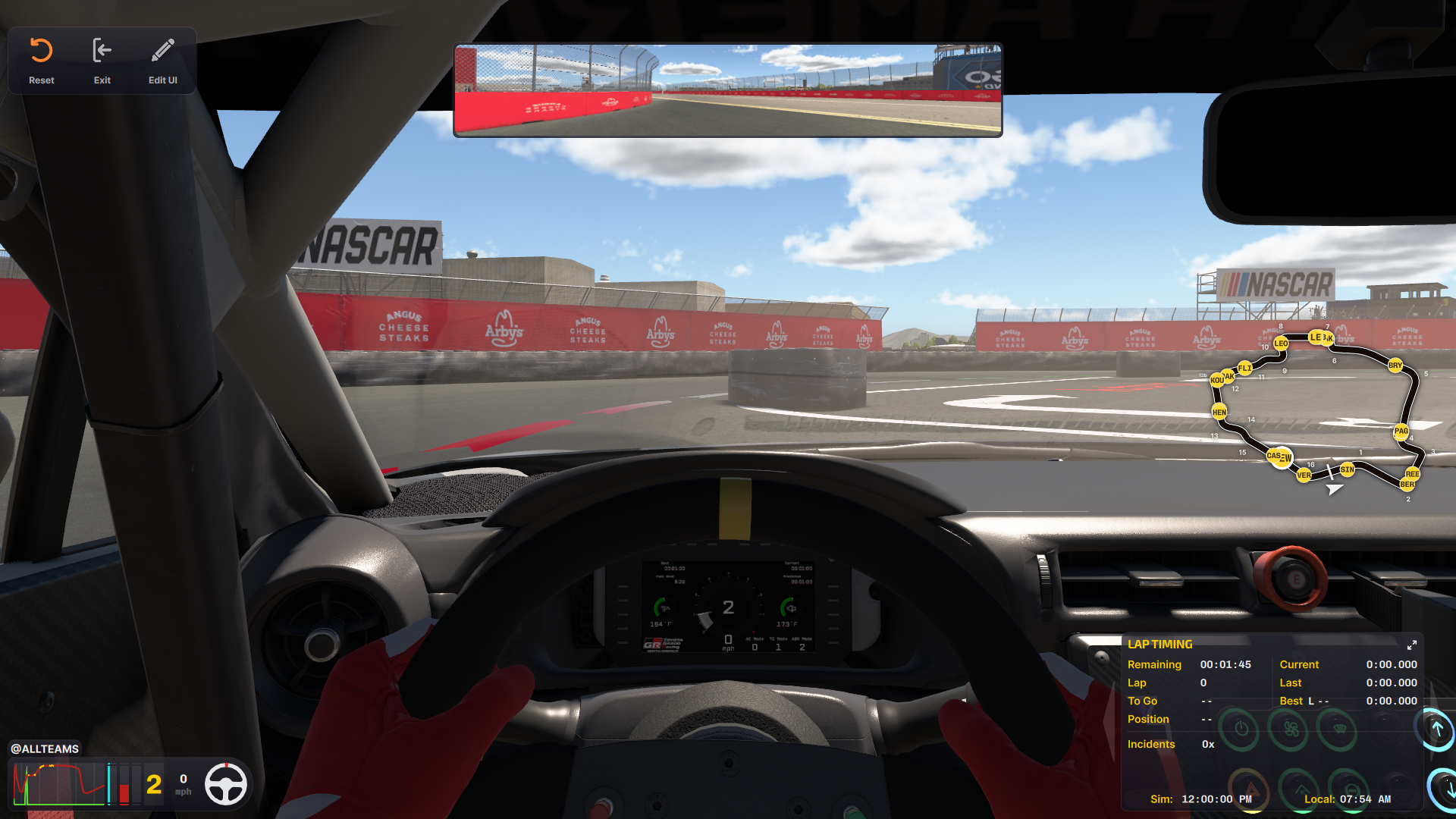
Turn 2 presents another potential passing opportunity. Drivers will barrel down the hill located beyond pit road's exit, and then they will slam on the brakes to make a left-hand turn.
This 90-degree turn is wider than those found in Chicago, so drivers will potentially have a chance to fight for position while going two-wide. Or, they could just dive bomb each other.
The best passing opportunities based on Tuesday's iRacing session will take place in the high-speed section between Turns 12 and 15. Drivers will exit the tight Turn 12 onto a straight. They will then barrel toward Turn 13, which marks the beginning of a sweeping section.
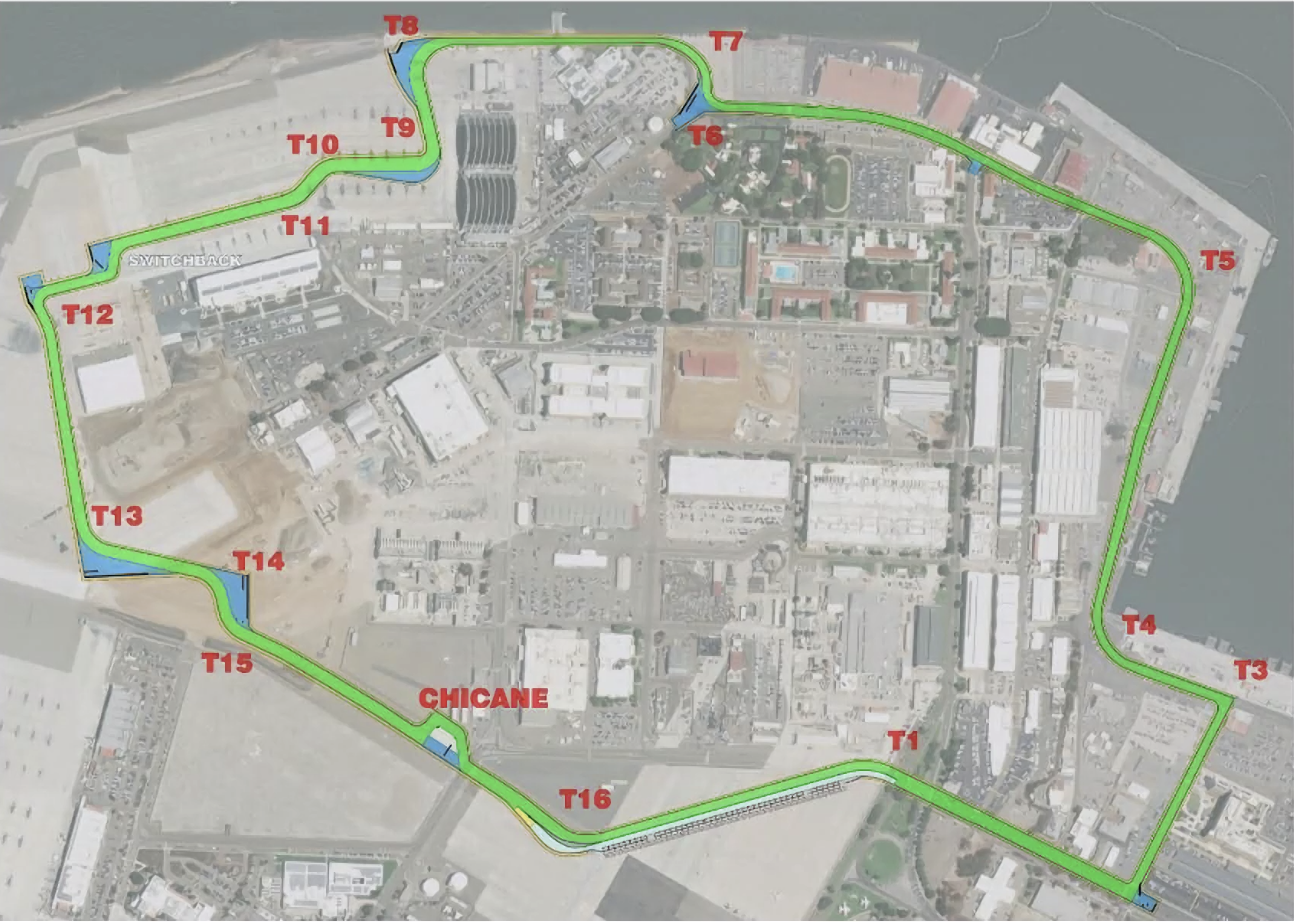
Photo credit: NASCAR
The drivers will navigate through Turns 13, 14, and 15 without really having to slow down. They will also have extra runoff room in case they miss a corner.
Passes will happen in these areas, Alfredo says. Some may happen when drivers enter one of these turns too fast and have to use the runoff areas. Some passes will happen when drivers dive bomb each other and just push their cars to the inside.
Will chaos ensue this weekend as all three national series take on Naval Base Coronado, or will the hours of preparation lead to relatively clean races?
No one will know for certain until the practice sessions begin on Friday afternoon (12 p.m. ET), but the time in the simulator should only help the drivers enter the weekend better prepared for whatever may happen.
"I started sim racing before my real life racing career really began," Alfredo said. "It's always played a pivotal role for me, especially when trying to get track time prior to an event. With the limited practice we have, it's even more crucial than ever before."
